
What Is the Purpose of a Dispensary?
A dispensary is a licensed retail store where customers can legally purchase cannabis products for medical or adult use. It serves as the regulated bridge between growers and consumers, offering flower, edibles, vapes, and more with expert guidance.
What is the purpose of a dispensary? A simple definition
A dispensary is a state-licensed retail store where customers can legally purchase cannabis products for medical or adult use. Unlike a regular store or pharmacy, a dispensary operates under strict regulations and serves as the regulated bridge between cannabis growers and consumers.
Here’s how it works:
- Licensed and regulated – Dispensaries must follow state laws, including testing, labeling, and security requirements. In Maryland, the Maryland Medical Cannabis Commission oversees medical cannabis, while adult-use sales are regulated by the state’s Cannabis Administration.
- Product variety – You’ll find flower, pre-rolls, vapes, concentrates, edibles, topicals, tinctures, and CBD products. Each product is tested for potency and contaminants.
- Expert guidance – Trained staff, often called budtenders, help you understand effects, dosing, and consumption methods. They answer questions and make recommendations based on your goals.
- Safe and legal purchase – You must show a valid ID proving you’re 21 or older for adult-use, or have a medical card where required. Transactions are tracked, and products are packaged with clear labeling.
In short, a dispensary exists to provide safe, legal access to cannabis while educating customers and ensuring responsible use.
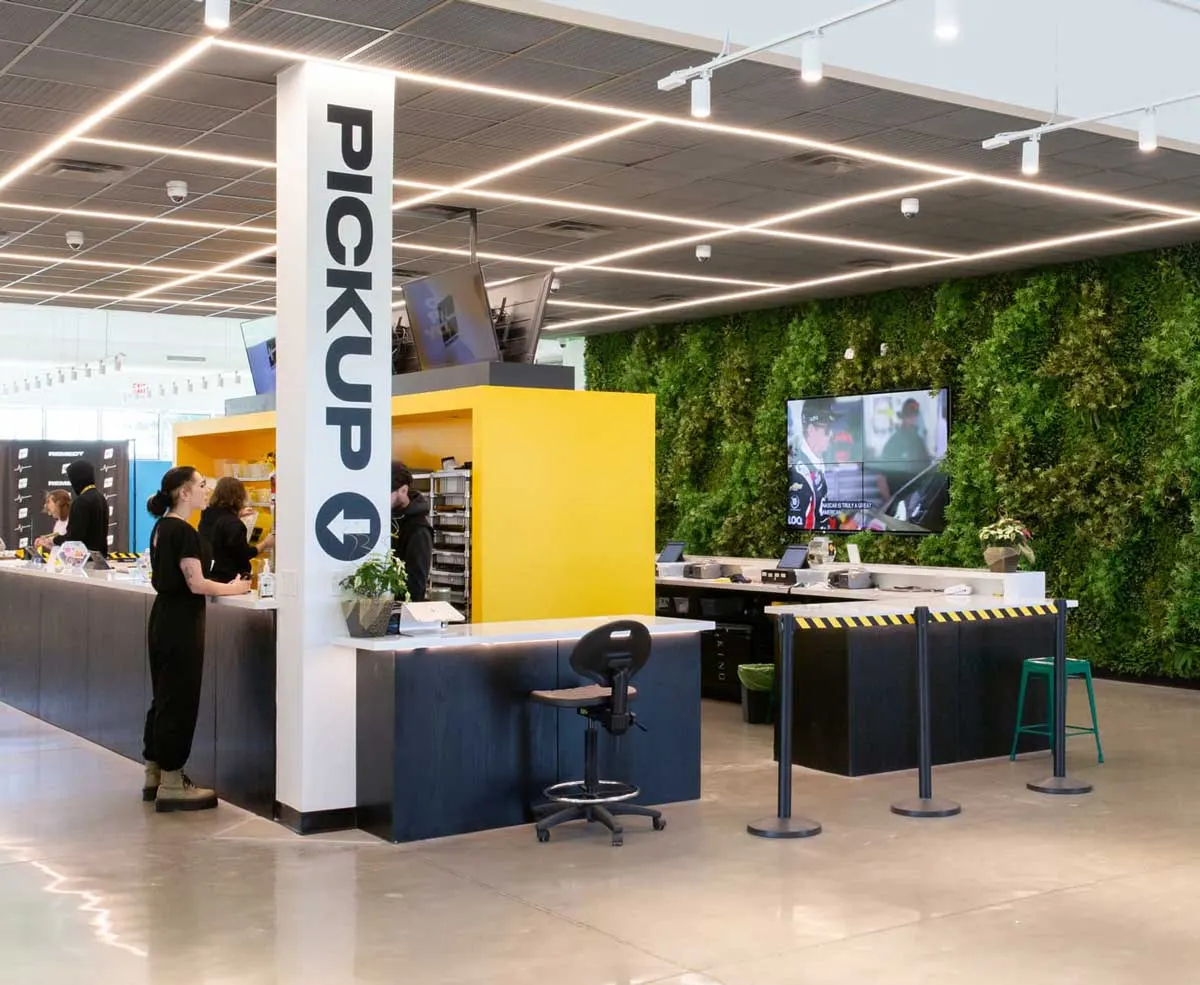
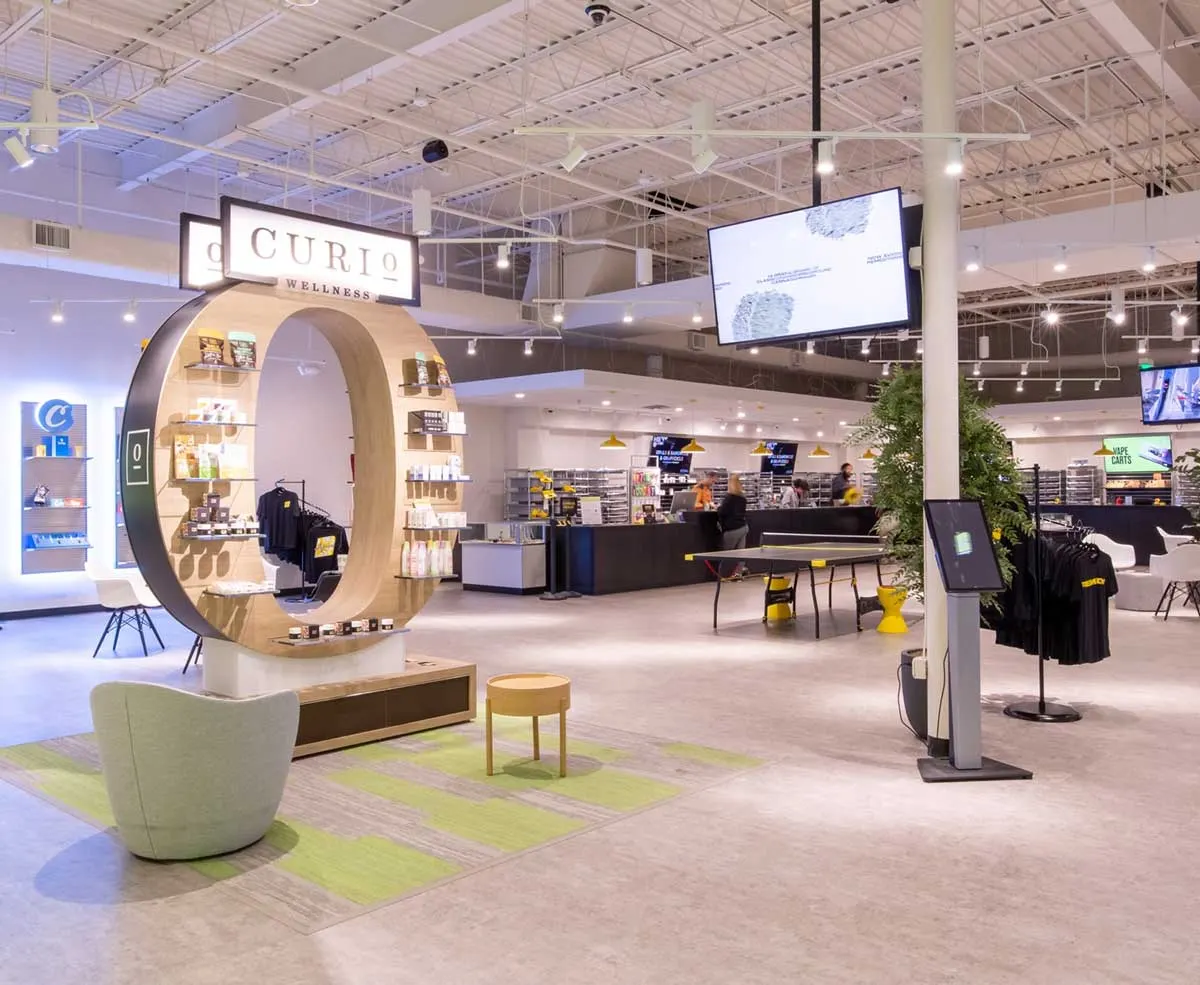
What to expect when you visit a dispensary
Walking into a dispensary for the first time can feel unfamiliar, but the process is straightforward. Here’s what typically happens:
- Check-in and ID verification – You’ll show a government-issued ID at the door or check-in counter. For medical, you may need your medical card. Staff verify your age and eligibility.
- Consult with a budtender – A budtender will ask about your experience level, desired effects, and any preferences. They’ll guide you through the menu and help you choose products.
- Browse the menu – Many dispensaries display products in cases or have digital menus. You can ask to see a product, smell flower (in some states), or get more details about potency and terpenes.
- Make your selection – Based on the budtender’s advice, you pick your products. They’ll explain dosing, effects, and any potential side effects.
- Pay and leave – Payment is usually cash or debit (ATMs are often on-site). You’ll receive your purchase in a child-resistant bag. Then you’re on your way.
Remember, budtenders are there to help, not judge. It’s okay to ask questions, and you’re never obligated to buy. For a deeper dive, see our full first-timer’s guide.
What does a dispensary sell? Products you can find
Dispensaries carry a wide range of cannabis products to suit different preferences and needs. Here’s a quick overview:
| Category | What it is | Common forms |
|---|---|---|
| Flower | The dried buds of the cannabis plant, smoked or vaporized. | Loose flower, pre-rolled joints |
| Pre-rolls | Ground flower rolled into a cone or paper, ready to smoke. | Single joints, multi-packs |
| Vaporizers | Devices that heat cannabis without combustion, producing vapor. | Vape pens, cartridges, portable or desktop vaporizers |
| Concentrates | Highly potent extracts of cannabis, often used with a dab rig or vape. | Wax, shatter, live resin, distillate |
| Edibles | Food and drinks infused with cannabis, offering longer-lasting effects. | Gummies, chocolates, beverages, baked goods |
| Tinctures | Liquid cannabis extracts taken under the tongue for fast absorption. | Dropper bottles with measured doses |
| Topicals | Cannabis-infused creams, balms, and lotions applied to the skin. | Lotions, salves, transdermal patches |
| CBD products | Products high in CBD, often with little or no THC, for wellness use. | Oils, gummies, topicals, flower |
| Accessories | Tools and gear for consuming or storing cannabis. | Grinders, pipes, rolling papers, storage containers |
At our dispensary, we carry all these categories and more. You can browse our dispensary baltimore menu online to see what’s in stock.
Dispensary vs. smoke shop vs. cannabis shop: what's the difference?
Not all stores that sell cannabis-related products are the same. Here’s how they compare:
| Type | What they sell | Legal status | Experience |
|---|---|---|---|
| Dispensary | Regulated cannabis products (flower, edibles, vapes, etc.) | State-licensed, tested, and tracked | Budtenders provide guidance, safe environment |
| Smoke shop | Glass pipes, rolling papers, vaporizers, and sometimes CBD | No cannabis flower or edibles (unless licensed) | Focus on accessories, not product education |
| Cannabis shop | Can vary; sometimes a dispensary, sometimes a head shop | Depends on state and local laws | May or may not offer expert advice |
The key difference: a dispensary sells regulated, tested cannabis products legally, while a smoke shop typically sells accessories and non-cannabis items. Always choose a licensed dispensary to ensure quality and compliance.
Directions to our dispensary in Baltimore from Lorraine Park Cemetery
Start at Lorraine Park Cemetery and head to Remedy (Baltimore) at 7165-C Security Blvd, Windsor Mill, MD 21244.
Medical dispensaries: serving patients with care
For medical patients, a dispensary serves a critical role: providing safe, consistent access to cannabis for therapeutic use. Medical dispensaries often carry products with specific cannabinoid profiles, such as high-CBD strains or tinctures with precise dosing. Staff are trained to help patients understand how different products might interact with their conditions.
In Maryland, medical cannabis is regulated by the Maryland Medical Cannabis Commission. Patients must obtain a medical cannabis card from a registered provider. Once approved, they can purchase from licensed dispensaries like ours. We’re proud to serve patients from Baltimore, Columbia, and beyond, offering compassionate education on wellness.
Medical and adult-use dispensaries often share the same store, but medical patients may have access to additional products or higher potency limits. Always consult with a healthcare professional before starting any new treatment.
What makes a good dispensary? How to choose the right one
Not all dispensaries are created equal. Here’s what to look for:
A good fit if…
- Knowledgeable staff – Budtenders can answer questions about strains, effects, and dosing.
- Transparent testing – Products come with lab results showing potency and purity.
- Wide selection – A good dispensary carries a variety of products to meet different needs.
- Clean and welcoming environment – The store is organized, well-lit, and comfortable.
- Fair pricing and deals – Look for loyalty programs, discounts, and transparent pricing.
Consider another option if…
- Staff are pushy or unhelpful – You should never feel pressured.
- Products are low quality – Dry, harsh flower or weak edibles are red flags.
- Lack of testing info – If they can’t show lab results, be cautious.
- Poor reviews – Check online feedback from other customers.
Ultimately, the right dispensary is one that prioritizes your experience and safety. Visit a few, ask questions, and see which feels right.
The purpose of a dispensary in your community
Dispensaries do more than sell cannabis—they contribute to the local economy and community. They create jobs, generate tax revenue, and often support local causes. Many dispensaries, including ours, are active members of the community, participating in events and educational programs.
By providing a regulated, safe place to buy cannabis, dispensaries help reduce the black market and ensure that consumers get tested, quality products. They also serve as a bridge between cannabis growers and consumers, supporting local farmers and producers.
Our dispensary is conveniently located between D.C. and Baltimore City, serving Windsor Mill, Woodlawn, Catonsville, and beyond. We’re proud to be part of the community, offering a welcoming space for both new and experienced cannabis users.
Sources
Also asked as
- What does a dispensary do?
- Why do people go to dispensaries?
- What can you buy at a dispensary?
Frequently asked questions
What is a person who works at a dispensary called?
A person who works at a dispensary is commonly called a budtender. They are trained to help customers choose products, explain effects, and ensure a safe, positive experience. Some dispensaries also have pharmacists on staff for medical advice.
Are budtenders allowed to be high on the job?
No, budtenders are not allowed to be under the influence while working. They must be clear-headed to provide accurate information, handle transactions, and ensure safety. Dispensaries have strict policies against impairment on the job.
Is it rude to not tip a budtender?
Tipping is appreciated but not required. Budtenders provide a service, and like many retail roles, tips are a nice gesture for exceptional help. If you feel your budtender went above and beyond, a tip is a great way to show gratitude.
Should you use cash at a dispensary?
Many dispensaries are cash-only due to federal banking restrictions, but some accept debit cards or other payment methods. It’s always a good idea to bring cash or check with the dispensary in advance. ATMs are often available on-site.