
What Is a Dispensary in America? A Complete Guide for First-Time Visitors
A dispensary in America is a state-licensed retail store where adults 21+ (or medical patients with a card) can legally buy cannabis products like flower, edibles, and concentrates. Dispensaries are regulated by state agencies, verify IDs, and offer a safe, knowledgeable environment for purchasing cannabis.
What Is a Cannabis Dispensary in America?
A cannabis dispensary in America is a licensed retail store where adults can legally purchase cannabis for medical or recreational use. Unlike a smoke shop or unregulated seller, a dispensary operates under strict state oversight, ensuring products are tested, labeled, and safe. In states like Maryland, dispensaries are the only legal places to buy cannabis flower, edibles, concentrates, and other products.
Dispensaries come in two main types: medical and recreational. Medical dispensaries require a state-issued medical cannabis card and often offer higher-potency products or specific formulations. Recreational dispensaries, also called adult-use, serve anyone 21 and older with a valid ID. Many dispensaries, including ours at Remedy in Baltimore, operate both types of sales under one roof, making it easy for all customers to access quality cannabis.
When you walk into a dispensary, you're entering a regulated environment—not a casual shop. Staff, often called budtenders, are trained to answer questions, recommend products, and ensure you leave with something that fits your needs. The experience is designed to be professional, educational, and safe, which is why dispensaries have become the go-to places for cannabis in America.
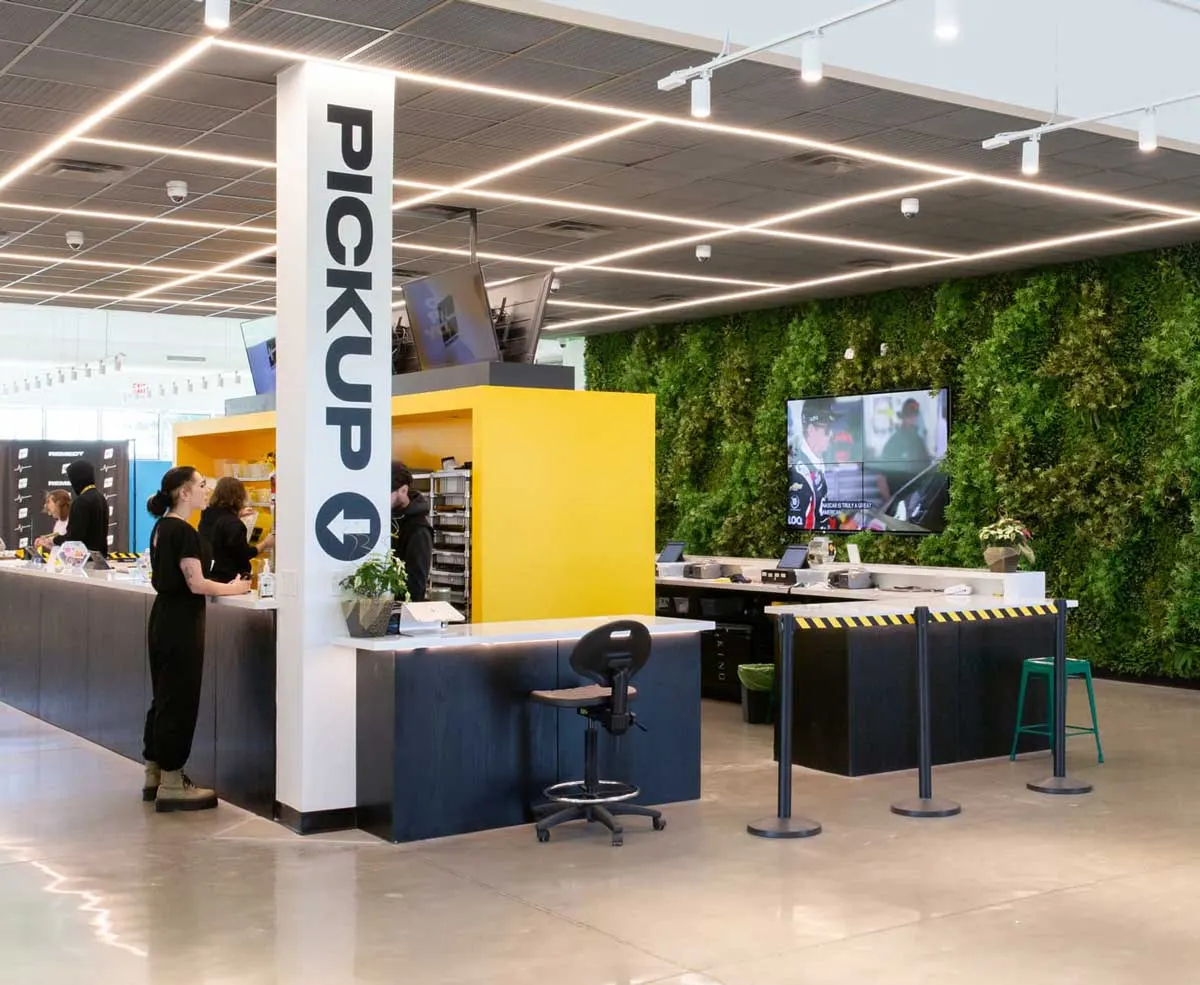
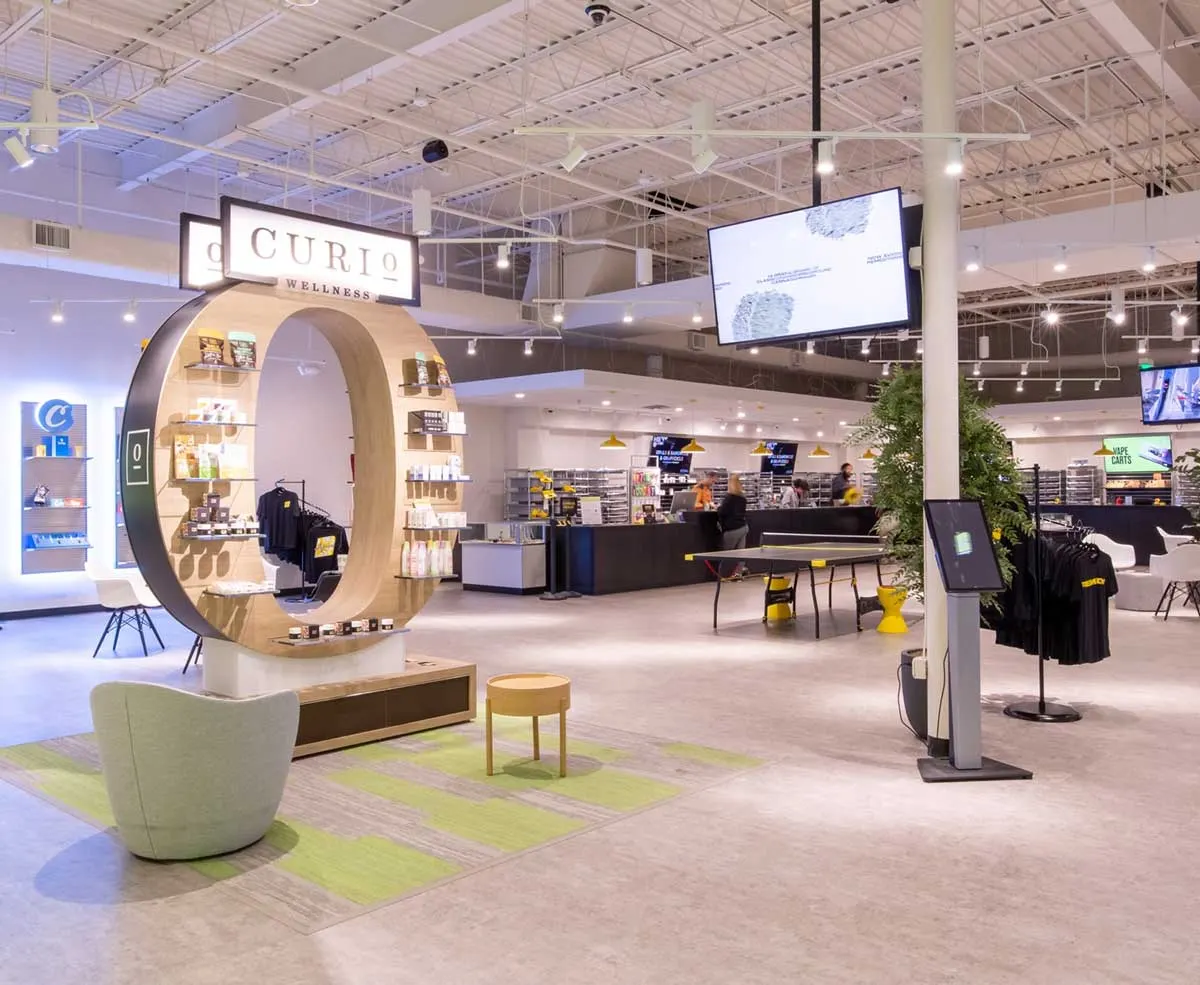
How Dispensaries Are Regulated and Licensed
Dispensaries in America are licensed by state agencies, not the federal government. Each state has its own regulatory body—like the Maryland Medical Cannabis Commission (MMCC)—that issues licenses, conducts inspections, and enforces compliance. To get a license, a dispensary must meet strict requirements covering security, inventory tracking, product testing, and staff training.
Regulations vary by state, but common rules include ID verification, purchase limits, and packaging standards. Dispensaries must track every product from seed to sale, ensuring nothing is diverted to the black market. Many dispensaries operate on a cash-only basis because federal banking laws restrict cannabis businesses, though some accept debit cards or use ATMs on-site.
When you visit a licensed dispensary, you can trust that the products have been tested for potency and contaminants. Look for a state license displayed in the store or on the menu. If a shop doesn't have one, it's not a legal dispensary—avoid it. At Remedy, we proudly operate under Maryland's regulations, and our team is happy to explain our licensing and safety practices.
Your First Visit to a Dispensary: What to Expect
Walking into a dispensary for the first time can feel exciting but a little intimidating. Here's a step-by-step guide to make your first visit smooth and enjoyable.
- Bring your ID—You must show a valid government-issued ID proving you're 21 or older (or a medical card if you're a patient). Without it, you won't be allowed in.
- Check in at the door—Most dispensaries have a reception area where you'll verify your ID and possibly sign in. Expect a brief wait, especially on weekends.
- Browse the menu—You can view products on screens or paper menus. If you're unsure, ask a budtender for help—they're trained to guide you.
- Ask questions—Tell the budtender what you're looking for (e.g., relaxation, sleep, energy) and they'll recommend strains and product types.
- Make your purchase—Pay with cash or debit (many dispensaries are cash-only), and you'll receive your products in child-resistant packaging.
- Leave and enjoy responsibly—Consume at home, never drive under the influence, and follow local laws.
Remember, every dispensary is different, but our team at Remedy in Windsor Mill, MD, is here to make your first visit easy. We're open daily from 9 AM to 11 PM, and our compassionate staff loves educating first-timers.
Safety, Privacy, and Legal Concerns at Dispensaries
Many people wonder if visiting a dispensary is safe and private. The short answer: yes, but with some caveats. Dispensaries are highly secure facilities with surveillance cameras, ID checks, and strict protocols to prevent theft and underage access. Your visit is legal if you're of age, but it's not completely anonymous—dispensaries may record your ID for compliance, and some track purchase history.
Can police see if you've been to a dispensary? Generally, no. Dispensary records are private and not shared with law enforcement unless there's a legal investigation. However, driving under the influence is illegal, and police can stop you if they suspect impairment. Also, your employer may have policies about cannabis use, so check your workplace rules.
Privacy also extends to payment. Because many dispensaries are cash-only, you won't have a credit card statement showing the purchase. If you're concerned about privacy, ask the dispensary about their data practices. At Remedy, we respect your privacy and follow all state regulations to protect your information.
Directions to our dispensary in Baltimore from Woodlawn High School
Start at Woodlawn High School and head to Remedy (Baltimore) at 7165-C Security Blvd, Windsor Mill, MD 21244.
What Products and Deals Do Dispensaries Offer?
Dispensaries offer a wide range of cannabis products, and prices vary based on quality, potency, and local market. Here's what you can expect to find and what drives cost.
| Product Category | What It Is | Typical Price Range |
|---|---|---|
| Flower | Dried cannabis buds, smoked or vaped | $10–$20 per gram, varies by strain and quality |
| Pre-rolls | Ground flower rolled in paper, ready to smoke | $8–$15 each, or bulk packs |
| Vaporizers | Pens or cartridges with cannabis oil | $25–$60 per cartridge |
| Edibles | Gummies, chocolates, drinks infused with THC | $15–$40 per package |
| Concentrates | Wax, shatter, or oil with high THC | $30–$80 per gram |
| Tinctures | Liquid extracts taken under the tongue | $25–$60 per bottle |
| Topicals | Creams, balms, or patches for localized relief | $20–$50 per product |
Prices vary by state, dispensary, and brand. To save money, look for daily deals, loyalty programs, and bulk discounts. At Remedy, we offer a rotating menu of specials, and our staff can point you to the best value for your budget.
Dispensary vs. Smoke Shop vs. Cannabis Shop: Key Differences
Not all cannabis retailers are the same. Here's how a licensed dispensary compares to other shops.
| Feature | Dispensary | Smoke Shop | Cannabis Shop (Unlicensed) |
|---|---|---|---|
| Legal to sell cannabis? | Yes, with state license | No, sells accessories only | No, illegal if selling cannabis |
| Product testing | Required | N/A | Not guaranteed |
| ID required? | Yes, always | Sometimes for age-restricted items | Usually not |
| Staff knowledge | Trained budtenders | Varies | Varies |
| Safety | High, regulated | Moderate | Low, unregulated |
Choosing a licensed dispensary ensures you get safe, tested products and accurate information. Smoke shops are fine for glass or paraphernalia, but they can't sell cannabis legally. Always verify a shop's license before buying.
Where Are Dispensaries Legal? A State-by-State Guide
Cannabis laws vary widely across the U.S. As of now, most states have legalized medical cannabis, and many have also legalized recreational use. However, each state has its own rules about who can buy, how much, and where.
A good fit if…
- You live in a state with legal recreational cannabis (like Maryland, California, Colorado).
- You have a medical card in a state with a medical program.
- You're 21 or older in a recreational state.
Consider another option if…
- You're in a state where cannabis is fully illegal—then no dispensary is legal.
- You're under 21 and don't have a medical card.
- You're traveling across state lines—you can't bring cannabis with you.
To find a legal dispensary near you, check your state's cannabis regulatory agency website. In Maryland, you can visit any licensed dispensary like Remedy in Baltimore. For more details on Maryland's laws, see our guide on [[when-was-cannabis-legalized-in-md|Maryland cannabis legalization]].
For details on services and visits, see the main page about dispensary baltimore.
Sources
Also asked as
- How do cannabis dispensaries work in the US?
- What is the difference between a medical and recreational dispensary?
- Are dispensaries legal in America?
Frequently asked questions
Can police see if you've been to a dispensary?
No, police cannot see your dispensary visits unless there's a legal investigation. Dispensaries keep records for compliance, but they are not shared with law enforcement routinely. However, driving under the influence is illegal, and police can stop you if they suspect impairment.
What to do first time at dispensary?
Bring your ID, check in at the door, browse the menu, and ask a budtender for help. Tell them what you're looking for, whether it's relaxation, sleep, or energy, and they'll guide you. Pay with cash or debit, and always consume responsibly at home.
What is the etymology of the word "dispensary"?
The word "dispensary" comes from the Latin "dispensare," meaning to distribute or manage. Historically, it referred to a place where medicines were prepared and given out, which is why it's used for cannabis retailers today.
What states in the US have recreational dispensaries?
Recreational cannabis is legal in many states, including Maryland, California, Colorado, Oregon, Washington, Nevada, Michigan, Illinois, and more. Each state has its own rules, so check local laws. In Maryland, adults 21+ can buy from licensed dispensaries like Remedy.
What state is the most 420 friendly?
Colorado and California are often considered the most cannabis-friendly states due to their long history of legalization and wide availability. However, many states now have robust recreational markets, so "most friendly" depends on your priorities like price, selection, or tourism.